What Vinyl Siding Installation Involves
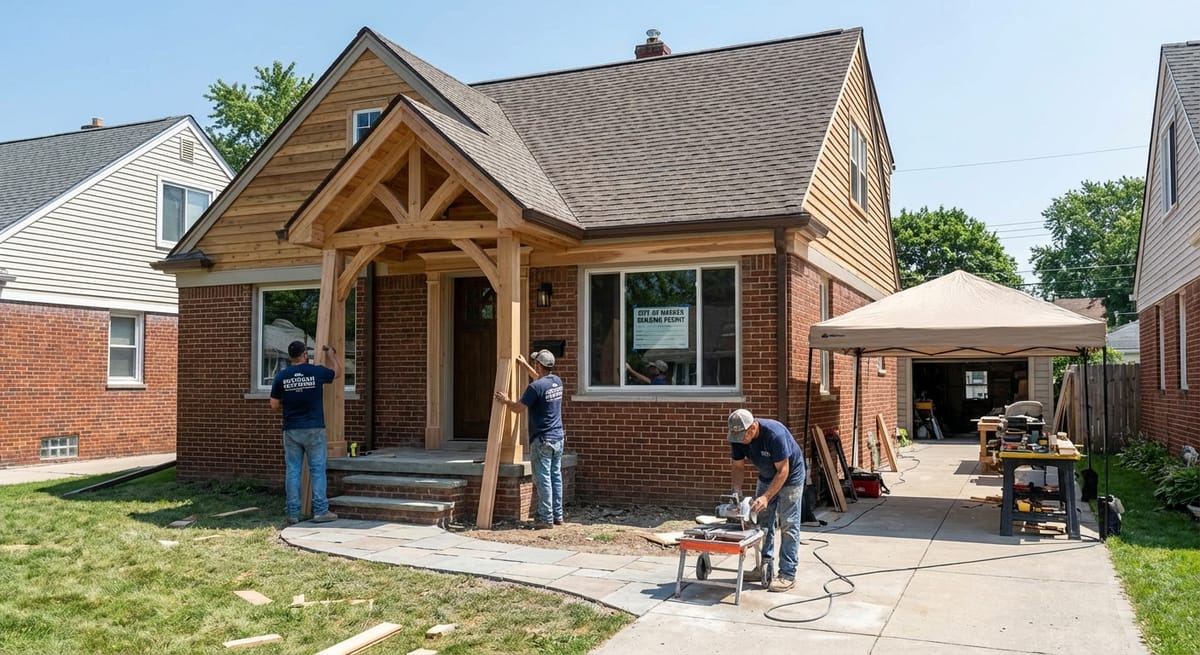
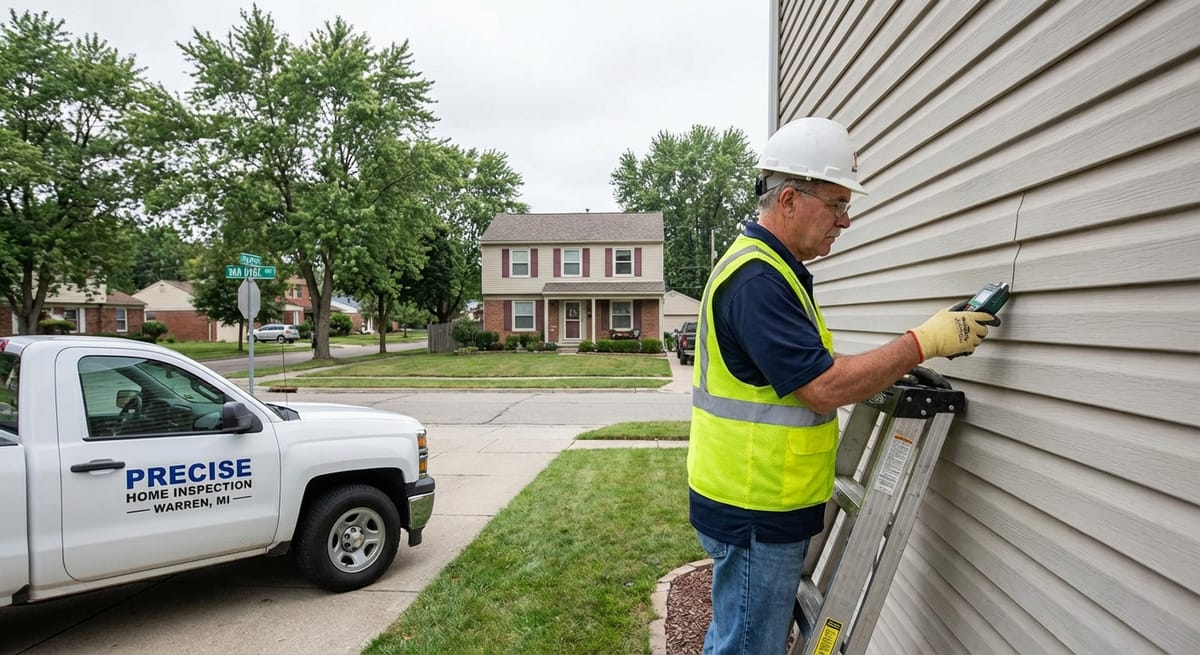
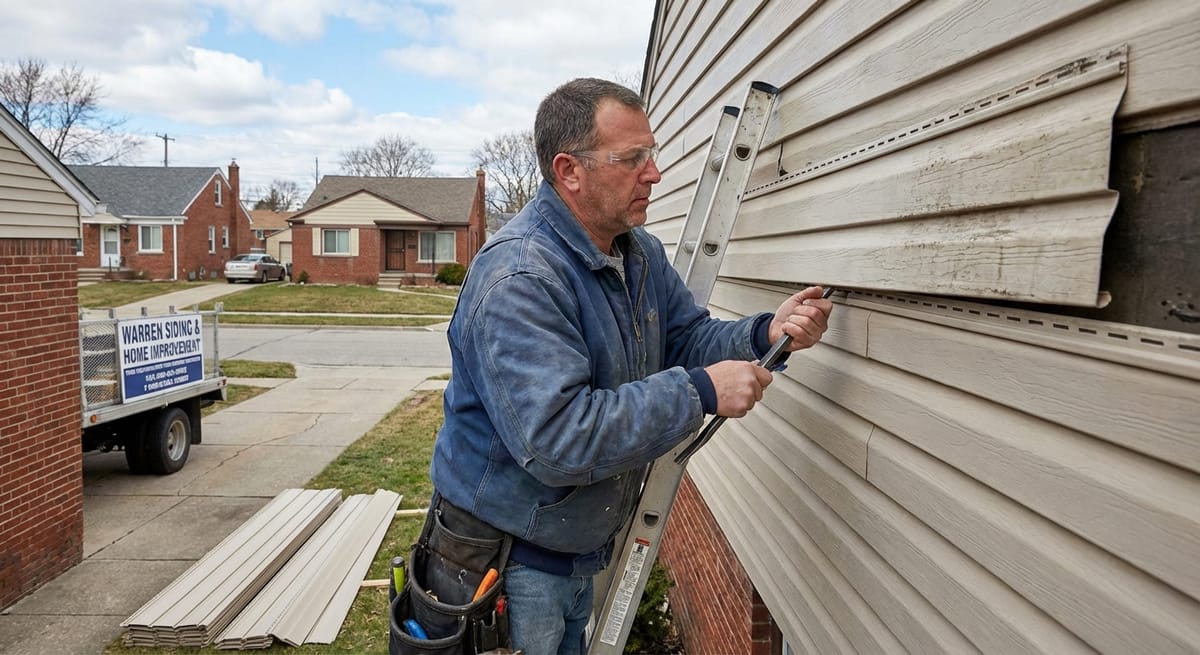
Vinyl siding installation is a multi-step exterior renovation that replaces your home's old cladding with engineered vinyl panels designed for durability and aesthetic appeal. The process begins with a thorough inspection of your home's exterior walls, checking for structural damage, moisture issues, and insulation gaps that must be addressed before new siding goes on. Our team at Warren Home Siding then removes the existing siding material, whether it's deteriorating aluminum, cracked wood, or failing composite panels.
Once the old material is stripped, we inspect and repair the underlying sheathing and framing. This step is critical because new siding installed over compromised substrate will fail prematurely. We then apply a weather-resistant barrier — a housewrap membrane that prevents moisture infiltration while allowing trapped vapor to escape. This layer is essential in Warren's climate, where freeze-thaw cycles can drive moisture deep into wall assemblies.
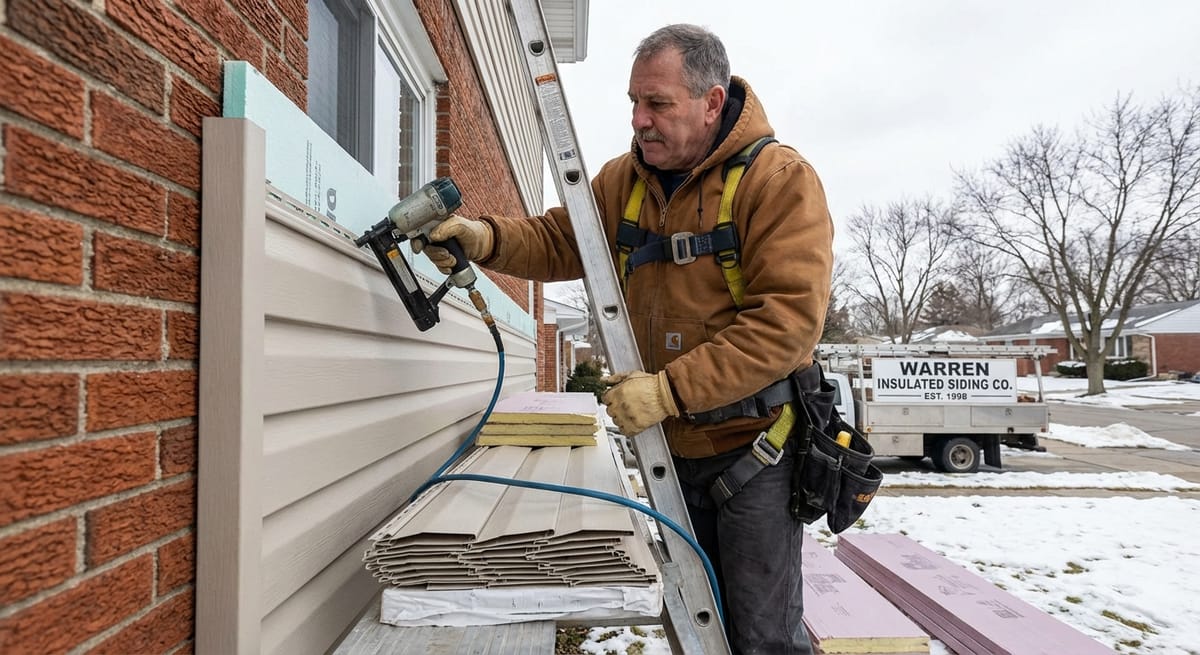
Next comes the installation of rigid foam insulation board, which adds thermal resistance and creates a flat, uniform surface for the siding panels. The vinyl panels themselves are hung using a specific nailing technique: each fastener is driven into the center of the nailing slot and left slightly loose to allow for thermal expansion and contraction. This is one of the most common areas where inexperienced installers make costly mistakes. Panels locked too tightly buckle in summer heat; panels nailed off-center warp and pull away during cold snaps.
Trim pieces, J-channels, corner posts, and soffit components complete the installation. Every window, door, and penetration point receives custom-fitted trim to prevent water entry. The finished product is a seamless, weathertight exterior shell that requires virtually no maintenance beyond occasional cleaning.
When You Need Vinyl Siding Installation
Several situations signal that your Warren home needs new vinyl siding. The most obvious is visible deterioration: cracks, warping, fading, or panels that have pulled loose from the wall. In Southeast Michigan, temperature swings between summer and winter stress siding materials constantly, and older products eventually lose their structural integrity.
Rising energy bills are another strong indicator. If your heating costs climb each winter despite maintaining your furnace and sealing your windows, your siding may be the weak link. Older siding materials — especially original aluminum or first-generation vinyl from the 1970s and 1980s — offer minimal insulation value. Modern insulated vinyl siding dramatically reduces thermal bridging and can cut energy loss through exterior walls significantly.
Moisture problems inside your home also point to siding failure. Peeling interior paint, musty odors in wall cavities, and soft spots in drywall near exterior walls all suggest that water is penetrating your current siding system. Left unaddressed, this leads to mold growth, wood rot in your framing, and expensive structural repairs.
If you're planning to sell your home, new siding installation is one of the highest-return exterior improvements you can make. Homes in Warren with fresh, modern siding consistently appraise higher and sell faster than comparable properties with aging exteriors. Buyers see new siding as a sign that the home has been well maintained, reducing their perceived risk.
Why Siding Problems Happen in Warren
Warren sits in a climate zone where exterior building materials endure extreme stress. Summer temperatures regularly push above 90°F, causing vinyl and other materials to expand. Winter lows drop well below freezing, contracting those same materials. This constant expansion-contraction cycle fatigues siding over time, causing cracks, gaps, and loosened panels.
Wind-driven rain is another major factor. Warren receives substantial precipitation throughout the year, and strong storms push water horizontally against your home's exterior. If your siding has any gaps, loose panels, or deteriorating caulk around penetrations, water finds its way behind the cladding. Once trapped in the wall cavity, moisture causes rot, mold, and insulation damage that you may not notice until the problem is severe.
Ice and snow accumulation during Michigan winters adds physical weight and stress to siding panels. Ice dams that form along roof edges can also direct meltwater behind siding at the top of walls. Poor-quality installations compound these problems because improperly overlapped panels, missing flashing, and inadequate drainage channels all create pathways for water infiltration.
Finally, UV exposure degrades older vinyl formulations. First-generation vinyl siding was not engineered with the UV stabilizers found in modern products. Prolonged sun exposure causes chalking, color fade, and brittleness that makes panels susceptible to impact damage from hail, debris, and even routine contact.
What Affects the Cost of Vinyl Siding Installation
The total investment for vinyl siding installation depends on several factors specific to your home and the product you select. The size and layout of your home is the primary driver — more square footage means more material and labor. Homes with complex architectural features such as dormers, bay windows, multiple stories, and numerous corners require additional trim work and careful cutting, which adds to the installation time.
The condition of your existing exterior matters significantly. If removing old siding reveals rotted sheathing, damaged framing, or inadequate insulation, those issues must be corrected before new siding goes on. Skipping these repairs to save money is a false economy that leads to premature siding failure and far more expensive problems down the road.
Product grade is another key factor. Entry-level vinyl siding is thinner and offers fewer color options, while premium products feature greater thickness, deeper wood-grain textures, superior UV resistance, and integrated foam insulation backing. Premium panels cost more upfront but deliver better energy performance, longer warranties, and a more realistic appearance that enhances your home's value.
Accessory choices also influence the final cost. Architectural accents like vinyl shakes, scallops, and board-and-batten panels mixed with standard horizontal clapboard create visual interest but require additional material and specialized installation techniques. Similarly, upgrading to insulated soffit, decorative trim profiles, and color-matched guttering adds to the project scope.
Repair vs. Full Replacement
Homeowners in Warren often ask whether they can repair damaged sections rather than replacing all their siding. The answer depends on the extent of the damage and the age of the existing product. If your siding is relatively recent and the damage is limited to a few panels from a storm impact or localized issue, targeted repair makes sense. Individual vinyl panels can be removed and replaced without disturbing surrounding sections, provided matching product is available.
However, full replacement becomes the better choice when damage is widespread, when the underlying structure shows signs of moisture damage, or when your existing siding has aged well past its effective lifespan. Older vinyl products have diminished UV resistance, reduced flexibility, and faded colors that cannot be matched with current manufacturing runs. Patching old siding with new panels creates visible color mismatches that hurt your home's appearance.
Full replacement also makes sense from an energy standpoint. Older siding installations typically lack the insulation and housewrap systems included in modern installations. Replacing everything allows your installer to address the complete wall assembly — sheathing, moisture barrier, insulation, and cladding — as an integrated system rather than layering new material over an outdated substrate.
Our recommendation: if repairs would cover more than 25 percent of your home's exterior, or if the underlying wall system shows any signs of moisture damage, full replacement provides better long-term value and performance.
Why Warren Homeowners Choose Professional Installation
Vinyl siding installation appears straightforward but demands specialized techniques that directly affect performance and longevity. Proper nailing, precise panel overlap, correct allowance for thermal movement, and watertight detailing around windows and doors are all technical skills developed through extensive training and hands-on practice. Our team at Warren Home Siding brings industry expertise and specialized techniques to every project, ensuring that your new siding performs as engineered.
Professional installation also protects your warranty. Most vinyl siding manufacturers require that their products be installed according to specific guidelines. Deviating from these requirements — even in small ways — can void your product warranty entirely. Our master craftsmen follow manufacturer specifications precisely, preserving your warranty coverage and giving you confidence in your investment.
We handle all necessary permits and inspections required by the City of Warren, ensuring your project meets local building codes. We also coordinate material delivery, waste removal, and project scheduling so that your installation proceeds efficiently with minimal disruption to your daily routine.