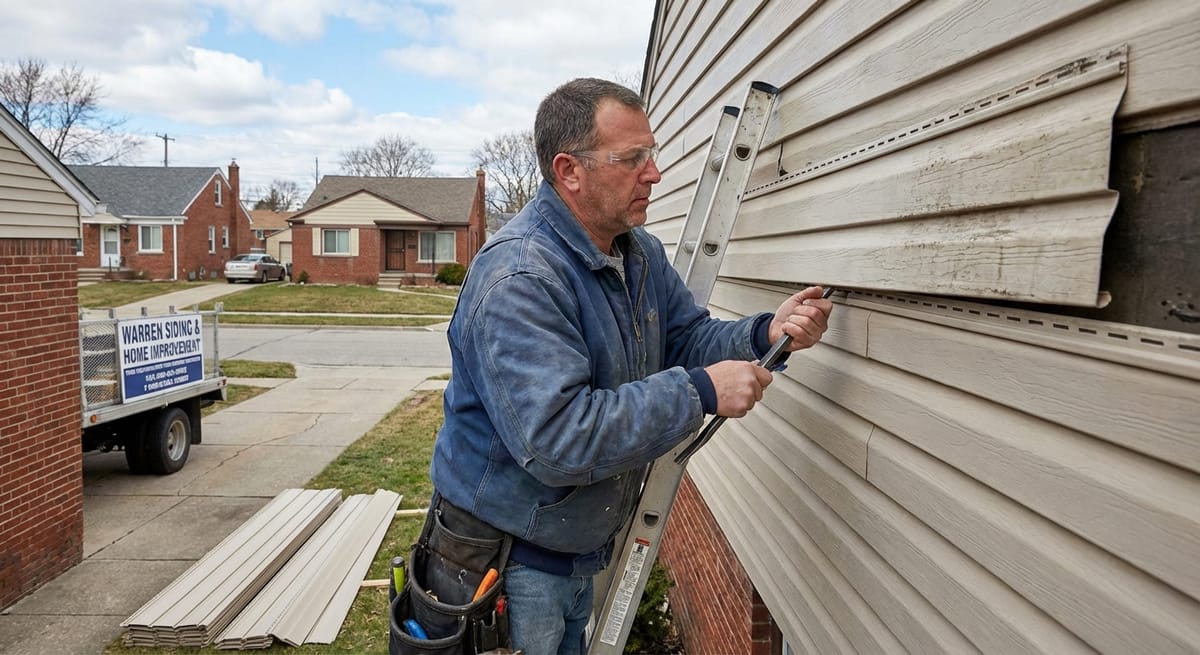
What Storm Damage Repair Involves for Vinyl Siding
Storm damage repair for vinyl siding is a multi-step process that begins with a comprehensive exterior inspection and ends with a fully restored, weather-tight home. In Warren, MI, where seasonal storms bring everything from summer thunderstorms to winter ice events, vinyl siding takes a beating. Understanding exactly what this service involves helps homeowners make informed decisions about protecting their property.
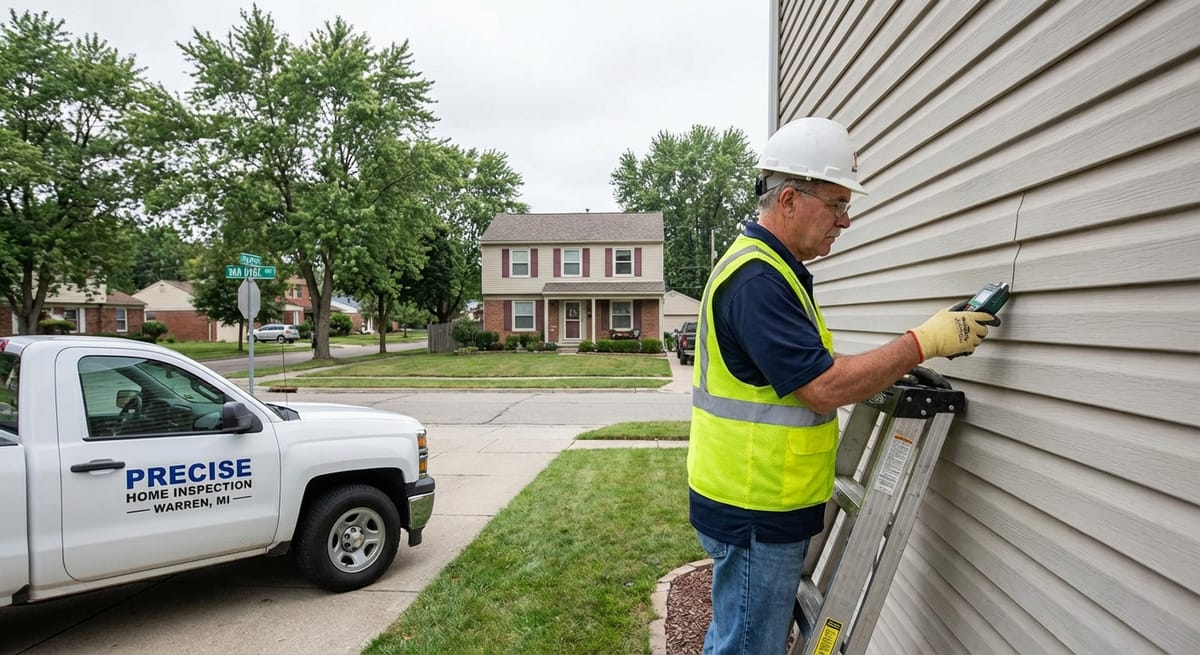
The process starts with a thorough damage assessment. A trained technician walks the full perimeter of your home, documenting every area where siding has been impacted. This includes obvious damage like missing or cracked panels, but also subtle issues that untrained eyes miss—panels that have been loosened from their locking strips, hairline cracks behind trim pieces, and areas where impact has compromised the panel's structural integrity without fully breaking it. Each finding is photographed and cataloged, which also serves as essential documentation for insurance claims.
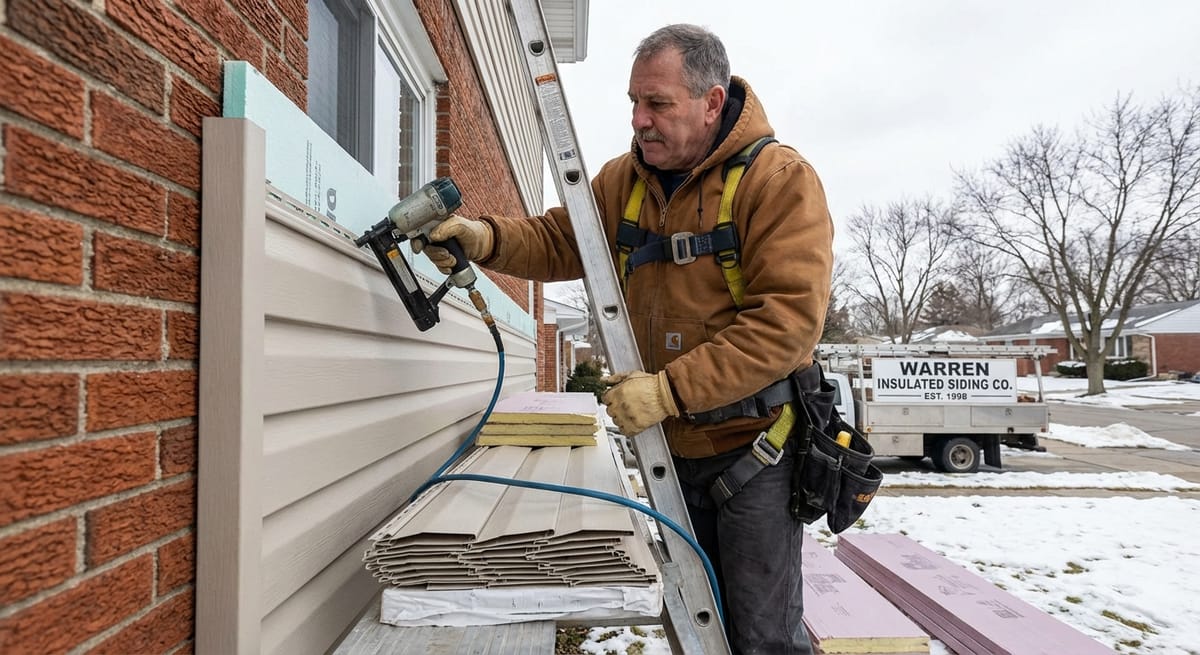
Once the assessment is complete, the repair plan is developed. For localized damage, individual panels are carefully removed using specialized siding removal tools (known as zip tools) that unlock panels without damaging adjacent pieces. Replacement panels are sourced to match the existing profile, gauge, and color of your current siding. For older installations, our team draws on industry expertise to identify discontinued profiles and locate compatible replacements or recommend the closest available match.
Installation of replacement panels follows manufacturer specifications precisely. Each panel is secured at the correct nailing height with appropriate fastener spacing, and locked firmly into the panel below. Flashing, house wrap, and insulation behind damaged areas are inspected and replaced if compromised. The goal is not simply cosmetic restoration—every repair addresses the full wall assembly to ensure your home remains sealed against moisture.
When You Need Storm Damage Repair in Warren
Knowing when to call for storm damage repair can save Warren homeowners from costly secondary damage. Vinyl siding damage is not always immediately visible from ground level, and some of the most damaging issues develop slowly after a storm passes. Here are the situations and signs that indicate you need a professional assessment.
- After any severe weather event: High winds exceeding 50 mph, hail of any size, heavy ice accumulation, or wind-driven debris all warrant a siding inspection. Warren sits in a region that experiences all of these conditions throughout the year.
- Visible cracks or holes: Any crack in a vinyl panel, no matter how small, is a breach in your home's weather barrier. Water entering through even a hairline crack can cause mold growth, sheathing rot, and insulation damage behind the siding.
- Panels hanging loose or displaced: Wind can pull panels free from their locking mechanisms or tear them from fasteners. Loose panels flap in subsequent winds, causing further damage to themselves and adjacent panels.
- Dents or impact marks from hail: Hail can dent vinyl siding and create stress points that crack over time, especially in cold weather when vinyl becomes more brittle.
- Water stains on interior walls: If you notice water marks, bubbling paint, or musty odors on interior walls after a storm, compromised siding may be allowing moisture penetration.
- Pieces of siding in your yard: Finding siding fragments after a storm is an obvious sign, but it also means you should check the rest of your exterior—if wind tore one panel free, adjacent panels may be loosened or stressed.
The critical takeaway is timing. Prompt assessment and repair after a storm prevents secondary damage that costs significantly more than the initial repair. Water that enters through compromised siding works silently behind your walls, and every day of delay allows that damage to spread.
Why Storm Damage Happens to Vinyl Siding
Understanding why vinyl siding sustains storm damage helps Warren homeowners appreciate both the repair process and preventive measures. Vinyl siding is engineered to withstand normal weather conditions, but severe storms push beyond those design parameters in specific ways.
Wind damage is the most common cause. Vinyl siding is designed to hang on the wall, not be rigidly fastened, because it expands and contracts with temperature changes. This intentional flexibility means panels have some ability to shift on their fasteners. In extreme winds, this movement becomes excessive. Panels can unlock from each other, lift from nailing strips, or catch wind underneath and peel away from the wall. Older siding with worn locking tabs is especially vulnerable because the interlock mechanism has loosened over time.
Hail damage creates impact fractures. Small hail may only leave surface dents, but larger hailstones crack or puncture vinyl. In Warren's climate, an important factor compounds hail damage: temperature. Vinyl becomes significantly more brittle in cold weather. A hailstorm during a late fall or early spring cold snap causes far more cracking than the same hailstone would in July. This is why spring inspections after Michigan's harsh winters often reveal damage that wasn't visible during the cold months.
Ice and snow loading stresses siding in ways unique to northern climates like Warren. Ice dams forming along rooflines can force water behind siding at the soffit junction. Heavy snow accumulation against lower courses creates sustained pressure. Freeze-thaw cycles work moisture into every gap, expanding cracks and loosening fasteners over repeated cycles.
Wind-driven debris causes puncture and impact damage. Tree branches, roofing materials from neighboring properties, and airborne objects during severe storms strike siding with concentrated force, causing localized but serious damage that requires panel replacement.
What Affects the Cost of Storm Damage Repair
Storm damage repair costs vary based on several factors that Warren homeowners should understand before requesting estimates. Transparency about these variables helps set realistic expectations and facilitates productive conversations with both repair contractors and insurance adjusters.
- Extent of damage: The most significant cost factor is how many panels, trim pieces, and accessory components need replacement. A few cracked panels on one wall is a straightforward repair. Damage spanning multiple walls with compromised trim, corner posts, and J-channel requires substantially more labor and material.
- Accessibility of damaged areas: Siding damage on a single-story home at ground level is simple to reach. Damage on upper stories, gable ends, or areas requiring scaffolding or specialized equipment adds to labor time and equipment costs.
- Matching existing siding: If your current siding profile and color are still in production, replacement panels are readily available at standard cost. Discontinued profiles require sourcing from specialty suppliers, or in some cases, replacing larger sections with a current profile to maintain visual consistency.
- Underlying damage: When siding is breached, the materials behind it—house wrap, insulation board, and sheathing—may also be damaged. Repairing water-damaged sheathing or replacing saturated insulation adds necessary scope to the project. This is also why prompt repair matters: the longer water has access, the more underlying damage accumulates.
- Insurance involvement: Many storm damage repairs are covered by homeowner's insurance. The claims process affects project timeline and sometimes scope, as insurance adjusters may need to inspect damage before repairs proceed. Working with a contractor experienced in insurance documentation streamlines this process significantly.
We provide detailed, itemized estimates that break down every component of the repair so you understand exactly what you are paying for. This documentation also supports insurance claims with the specificity adjusters require.
Repair vs. Replacement After Storm Damage
One of the most important decisions Warren homeowners face after a storm is whether to repair damaged sections or replace all the siding on the home. Both options are valid in different circumstances, and the right choice depends on several factors specific to your situation.
When Repair Is the Right Choice
Repair makes sense when damage is localized to a specific area of the home—one wall or a portion of one wall—and your existing siding is in otherwise good condition. If matching panels are available and the underlying wall assembly is intact, targeted repair restores full protection at a fraction of replacement cost. Repair is also appropriate when damage affects only a few panels and your siding still has substantial remaining service life. Most quality vinyl siding lasts several decades, so if your siding is relatively recent and only storm-damaged sections need attention, full replacement would be premature.
When Replacement Makes More Sense
Full replacement becomes the better investment when storm damage is widespread across multiple walls, when your siding was already aging and showing wear before the storm, or when matching materials are no longer available. A storm that damages a home with siding already near the end of its service life presents an opportunity—especially with insurance coverage—to upgrade to modern siding with improved wind resistance ratings, better insulation values, and updated aesthetics. Replacement also makes sense when repeated storm repairs have created a patchwork of different panel lots with slight color variations, as a full replacement restores uniform appearance.
The Honest Assessment
Our approach is straightforward: we assess damage without a bias toward either option. A repair-only contractor might patch problems that warrant replacement. A replacement-focused company might push full re-siding when repair would serve you well. We evaluate the actual condition, explain what we find, and let you make the decision with complete information. For borderline cases, we present both options with clear cost comparisons so you can weigh the economics against your long-term plans for the home.
The Warren Home Siding Storm Damage Process
When Warren homeowners call us after a storm, we follow a systematic process designed for speed, thoroughness, and insurance compatibility.
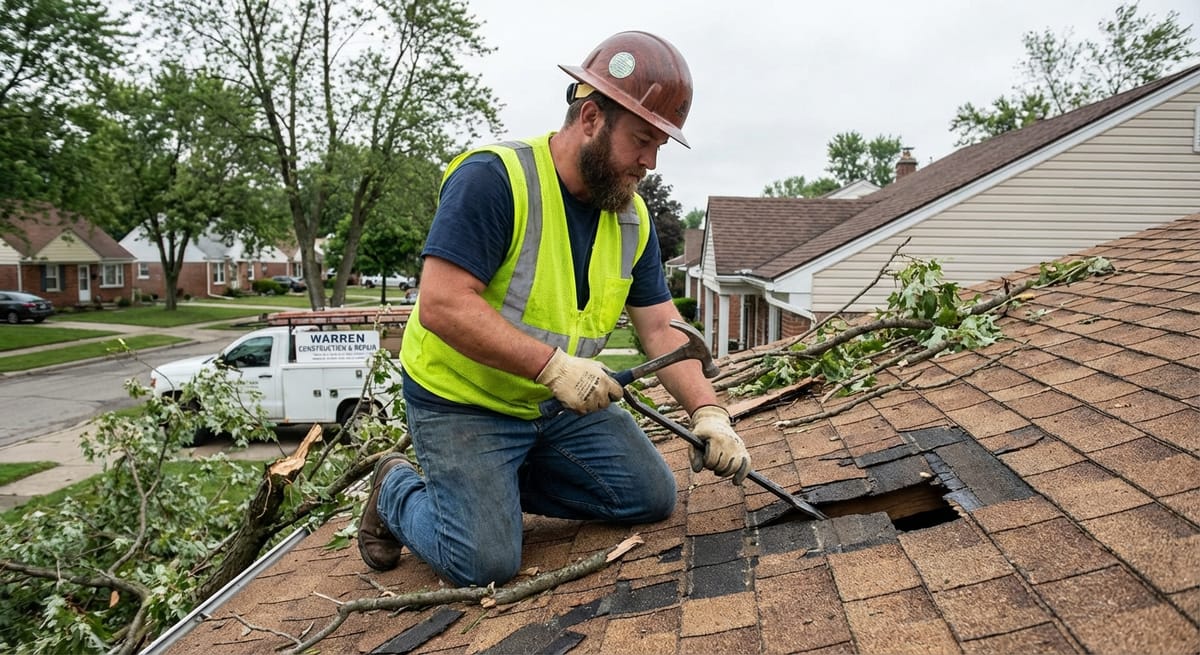
Emergency assessment and tarping: If your siding damage has created an active water entry point, we prioritize temporary protection. Tarping or temporary sealing prevents ongoing water damage while the full repair is planned and scheduled.
Comprehensive documentation: Our damage assessment produces detailed photo documentation with measurements and descriptions that meet insurance documentation standards. Many homeowners find that having professional documentation significantly smooths their claims process.
Material sourcing: We maintain relationships with multiple siding distributors and carry common Warren-area siding profiles in stock. For standard profiles, repairs can begin quickly. For harder-to-find materials, our sourcing network locates what is needed without unnecessary delays.
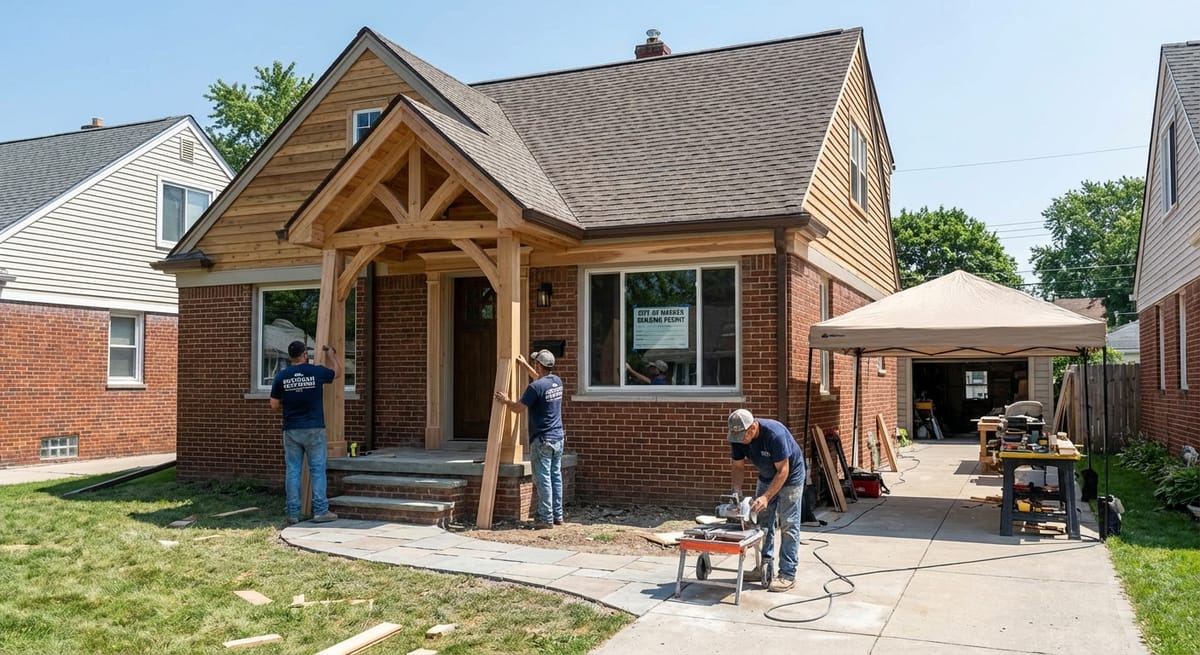
Professional repair execution: Our technicians are trained in manufacturer-specified installation methods. Every panel is installed to meet wind resistance specifications, and every underlying component is inspected and addressed. We do not cover up problems—we fix them completely.
Final inspection and warranty: Completed repairs undergo a final quality inspection. We walk the finished work with you, explain everything that was done, and provide warranty documentation for both materials and workmanship.
Insurance Claims Assistance for Storm Damage
Navigating an insurance claim after storm damage can feel overwhelming for Warren homeowners. Our team has extensive experience working alongside insurance adjusters and understands the documentation and process requirements that lead to fair claim outcomes.
We provide adjuster-ready damage reports that include photographic evidence, measurement details, material specifications, and itemized repair scopes. This professional-grade documentation gives adjusters exactly what they need to process claims efficiently. We also coordinate directly with adjusters for on-site inspections when required, ensuring nothing is overlooked during their assessment.
Our role is to be your advocate through the process—making sure the full scope of damage is documented, that repair specifications meet manufacturer standards, and that the claim reflects the actual cost of proper restoration. We work with all major insurance carriers and are familiar with their specific documentation requirements and processes.