What Insulated Siding Involves
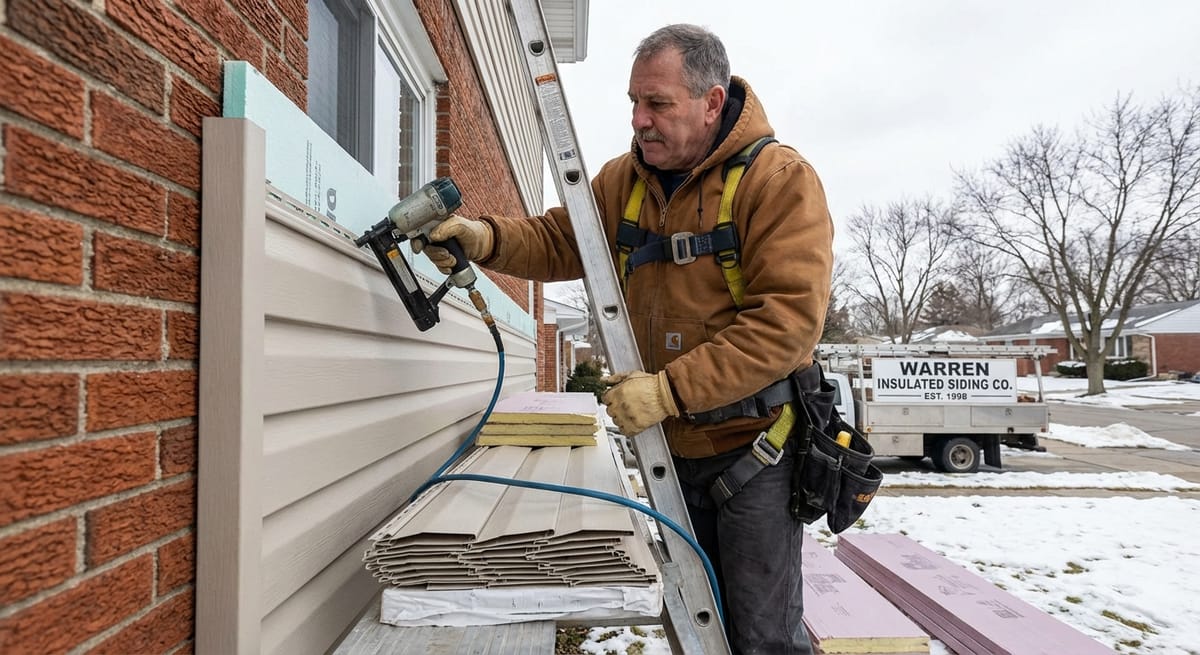
Insulated siding is a specialized exterior cladding system that pairs traditional vinyl siding panels with a contoured layer of expanded polystyrene (EPS) foam permanently laminated to the back of each panel. Unlike standard hollow-back vinyl, insulated siding fills the space between the panel and the wall sheathing, creating a continuous thermal barrier across your home's exterior. This foam core adds structural rigidity, reduces noise transmission, and dramatically limits the thermal bridging that occurs at studs and framing members.
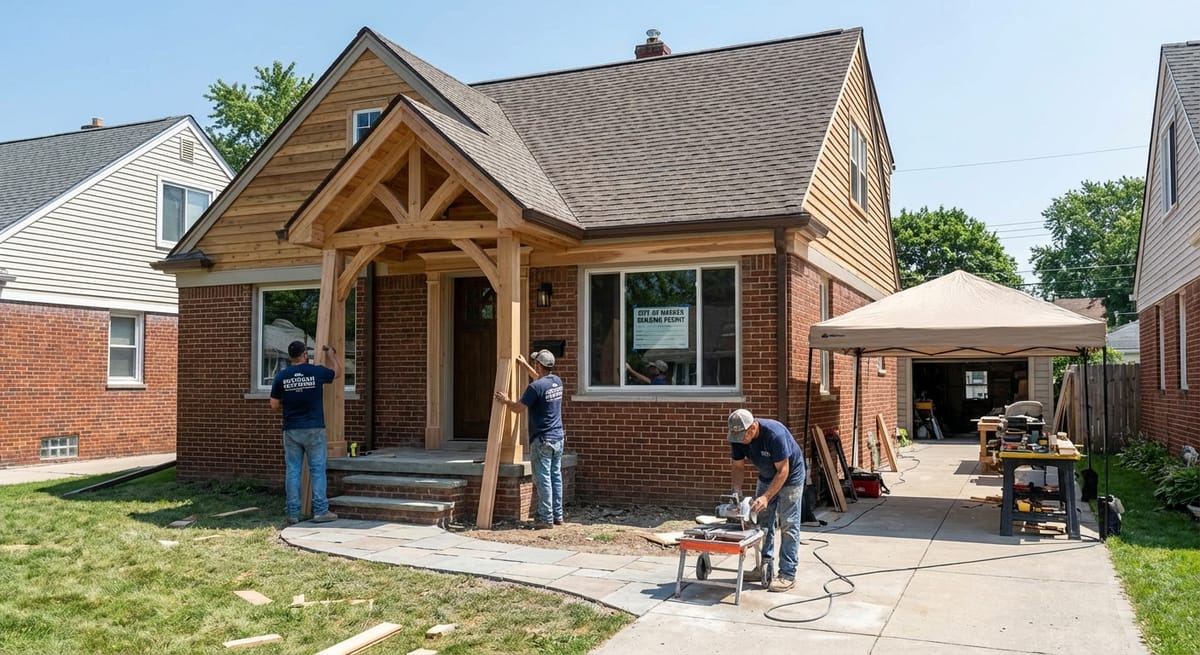
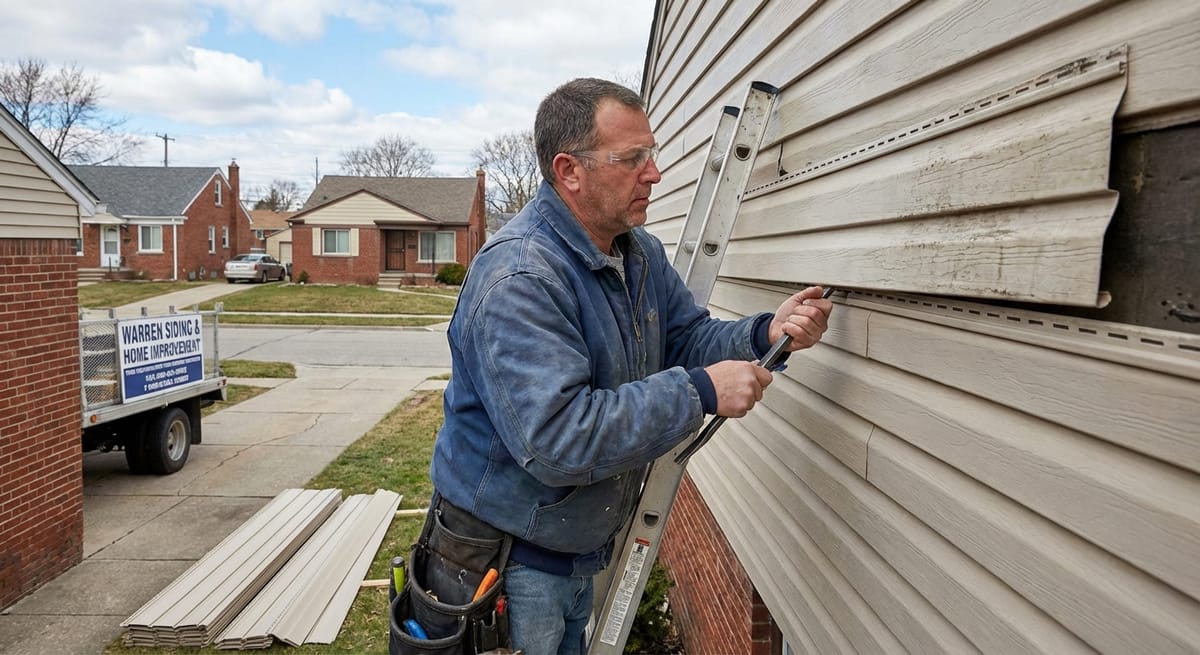
Installation begins with a thorough assessment of your existing wall structure. Our crew removes old siding, inspects the sheathing and housewrap for damage, and makes necessary repairs before any new material goes on. A weather-resistant barrier is applied or verified, and then insulated panels are installed from the bottom up, interlocking at each course to form a seamless shield. Every window, door, soffit, and corner receives purpose-built trim pieces with matching foam backing so there are no weak spots in the thermal envelope. The result is a finished exterior that looks identical to premium vinyl siding but performs at a significantly higher level.
When You Need Insulated Siding
Several situations signal that insulated siding is the right move for your Warren home. Recognizing these signs early helps you avoid escalating energy costs and potential structural damage.
- Uneven indoor temperatures: If certain rooms feel drafty in winter or sweltering in summer despite adequate HVAC operation, your current siding may lack sufficient thermal resistance. Insulated siding addresses this by adding a continuous insulation layer that standard siding cannot provide.
- Rising energy bills: A steady increase in heating and cooling costs often indicates that conditioned air is escaping through the building envelope. Insulated siding reduces thermal transfer through exterior walls, helping your HVAC system work less to maintain comfortable temperatures.
- Visible siding deterioration: Warped, cracked, faded, or buckling panels are more than cosmetic issues. Damaged siding allows moisture intrusion that can rot sheathing and framing. Replacing it with insulated panels solves both the aesthetic and performance problems simultaneously.
- Excessive outside noise: Homes near busy roads, airports, or commercial areas benefit from the sound-dampening properties of foam-backed siding. The added mass and density reduce noise transmission noticeably compared to hollow-back vinyl.
- Planned long-term ownership: If you intend to stay in your home for many years, insulated siding delivers compounding energy savings that offset the upfront investment and increase resale value.
Why Problems Happen with Standard Siding
Standard vinyl siding is a reliable product, but it has inherent limitations that insulated siding is engineered to overcome. Understanding these limitations helps Warren homeowners make informed decisions about their exterior cladding.
Conventional vinyl panels are hollow. When installed over flat wall sheathing, air circulates freely behind the panels. This convective loop carries heat away from your home in winter and forces warm air inward during summer. The result is a wall assembly that underperforms its rated insulation value because thermal bridging at every stud effectively creates a grid of cold spots across your exterior.
Hollow panels also flex more readily under wind pressure and impact. This flexibility makes them susceptible to cracking in extreme cold and warping in intense heat. Over time, the repeated expansion and contraction loosens fasteners and creates gaps where wind-driven rain enters. Moisture trapped behind siding without a proper drainage path leads to mold, mildew, and rot in the underlying wall components.
Insulated siding addresses each of these failure modes. The foam backing fills the cavity behind each panel, stopping convective air movement. It braces the vinyl face against impacts and wind loads, and it maintains dimensional stability across Michigan's wide temperature swings. The foam also acts as a secondary moisture management layer, directing any incidental water downward and away from the sheathing.
What Affects the Cost of Insulated Siding
The total investment for insulated siding depends on several project-specific factors. While we provide detailed estimates after an on-site evaluation, understanding these variables helps you plan and compare options with confidence.
- Home size and wall complexity: Square footage of exterior wall area is the primary driver. Homes with many corners, bump-outs, dormers, or multi-story sections require more labor and material than simple rectangular footprints.
- Existing siding removal: Stripping old material adds time and disposal costs. Homes with multiple layers of previous siding or materials that require special handling increase the scope of prep work.
- Sheathing and substrate condition: If the inspection reveals rotted sheathing, damaged housewrap, or inadequate nailing surfaces, these repairs must be completed before new siding is installed. Addressing structural issues at this stage prevents future problems.
- Panel profile and style: Insulated siding is available in a range of profiles including Dutch lap, clapboard, board and batten, and cedar shake. Specialty profiles and premium color options may carry different material costs.
- Trim and accessory requirements: The quantity and complexity of window trim, corner posts, soffit panels, J-channels, and decorative accents affect both material and labor totals. Homes with numerous windows or architectural details require more trim work.
- Season and scheduling: Michigan's construction season creates natural demand fluctuations. Planning your project during shoulder seasons can sometimes offer scheduling advantages.
Repair vs. Full Replacement
Homeowners in Warren often ask whether they should repair damaged sections or invest in a complete siding replacement. The answer depends on the extent of the issue and the condition of the overall system.
If damage is limited to a small area caused by a specific event, such as storm impact or accidental contact from equipment, a targeted repair may be sufficient. Individual insulated siding panels can be removed and replaced without disturbing the rest of the installation, provided matching panels and profiles are available. Minor issues like a single cracked panel or loose section do not necessarily require a full tear-off.
However, when problems are widespread, a full replacement is the more practical and cost-effective approach. Signs that warrant complete replacement include pervasive fading or discoloration across multiple walls, recurring moisture issues behind the siding, extensive warping or buckling, and any situation where the underlying sheathing needs repair across large sections. Attempting patchwork repairs on a failing system often results in a piecemeal appearance with mismatched panels and continued performance issues.
For homes currently clad in standard hollow-back vinyl, upgrading to insulated siding during a replacement project is an ideal opportunity. You are already incurring the labor cost of removal and installation, so the incremental expense of insulated panels over standard panels delivers substantial value in energy performance and durability.
Insulated Siding Performance in Warren's Climate
Warren's climate presents specific challenges that make insulated siding particularly valuable for local homeowners. Michigan winters bring sustained sub-freezing temperatures, heavy snow loads, ice storms, and persistent wind chill. Summers deliver heat and humidity that stress building envelopes from the opposite direction. This thermal cycling, repeated hundreds of times each year, takes a measurable toll on exterior cladding systems.
Insulated siding's continuous foam layer provides a stable R-value addition to the wall assembly that does not degrade with temperature swings. Unlike fiberglass batts that can settle or compress, EPS foam maintains its insulating properties throughout the life of the siding. The foam also reduces the temperature differential at the sheathing surface, which lowers the risk of condensation forming inside the wall cavity during cold months. This moisture management benefit is critical in Michigan, where freeze-thaw cycles can turn trapped moisture into ice that damages framing members.
Wind resistance is another area where insulated siding outperforms standard vinyl in Warren conditions. The rigid foam backing increases panel stiffness, allowing insulated siding to withstand higher wind speeds without panel displacement. Many insulated siding products carry wind resistance ratings well above what standard vinyl achieves, providing added security during Michigan's spring and fall storm seasons.
Our Installation Process
Warren Home Siding follows a disciplined installation sequence to ensure every insulated siding project delivers its full performance potential. Our process reflects the specialized techniques and technical knowledge required for this advanced cladding system.
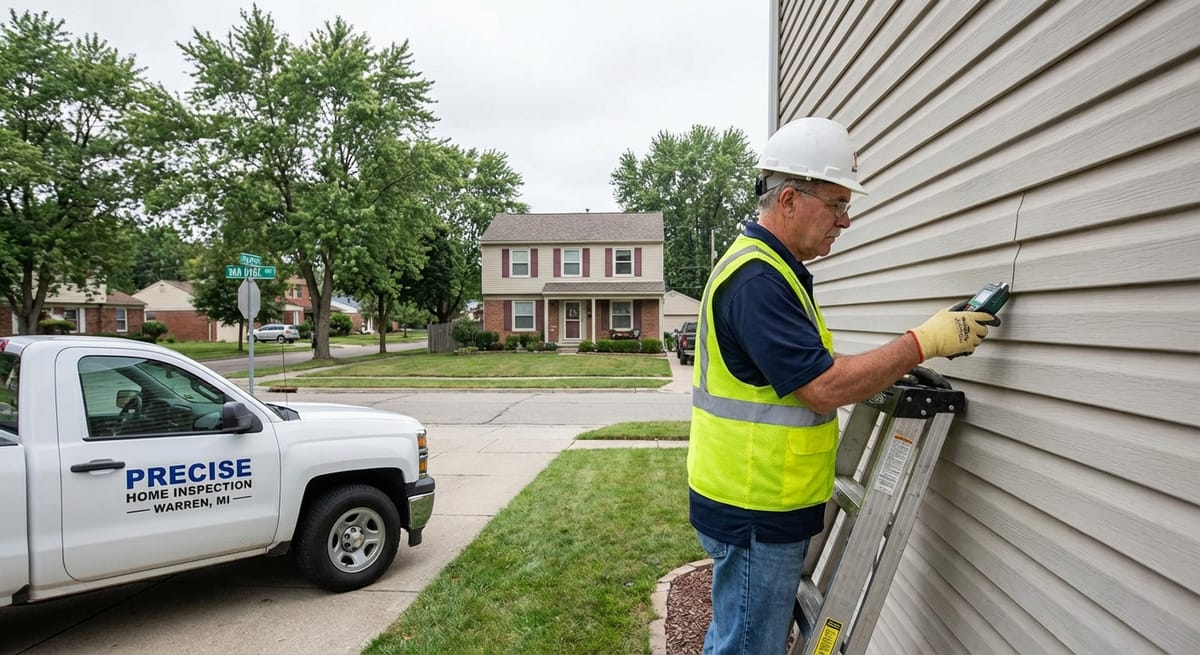
The project begins with a detailed on-site measurement and inspection. We document wall dimensions, note architectural features, assess existing conditions, and identify any areas that will require special attention. This information drives accurate material ordering and a clear work plan for the crew.
On installation day, the existing siding is carefully removed and the substrate is inspected thoroughly. Any compromised sheathing, flashing, or housewrap is repaired or replaced. We verify that a continuous weather-resistant barrier is in place and properly integrated with window and door flashings. Starter strips are leveled precisely at the base of each wall, because every subsequent course references this starting line. Insulated panels are installed with manufacturer-specified fastener patterns and expansion tolerances that account for Michigan's temperature range. Trim components are fitted with attention to water management at every intersection and penetration. A final walkthrough confirms that every detail meets our quality standards and the manufacturer's warranty requirements.