What Siding Replacement Involves
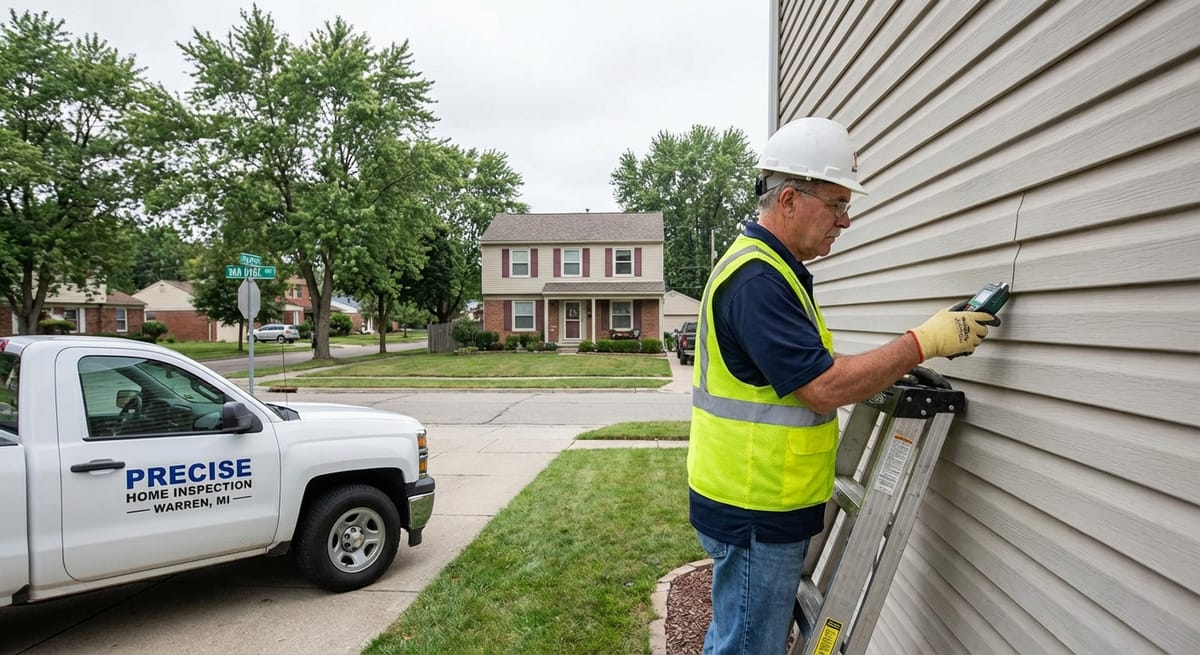
Siding replacement is a full-scope exterior renovation that goes well beyond surface-level cosmetic work. The process begins with a thorough inspection of your home's existing siding, sheathing, and underlying structure. Every panel of old siding is carefully stripped away, exposing the wall sheathing beneath so our team can evaluate its condition and identify any hidden damage that accumulated over the years.
Once the old material is removed, the sheathing is inspected for rot, mold, water intrusion, and structural compromise. Damaged sections of sheathing or framing are repaired or replaced before any new material goes on. This step is critical because installing new siding over compromised substrates traps moisture and accelerates structural decay from the inside out.
After repairs, a high-performance weather-resistant barrier is applied over the sheathing. This housewrap layer serves as the primary defense against bulk water infiltration while still allowing interior moisture vapor to escape. Proper lapping, taping, and integration around windows, doors, and penetrations follows strict manufacturer protocols to ensure a continuous drainage plane.
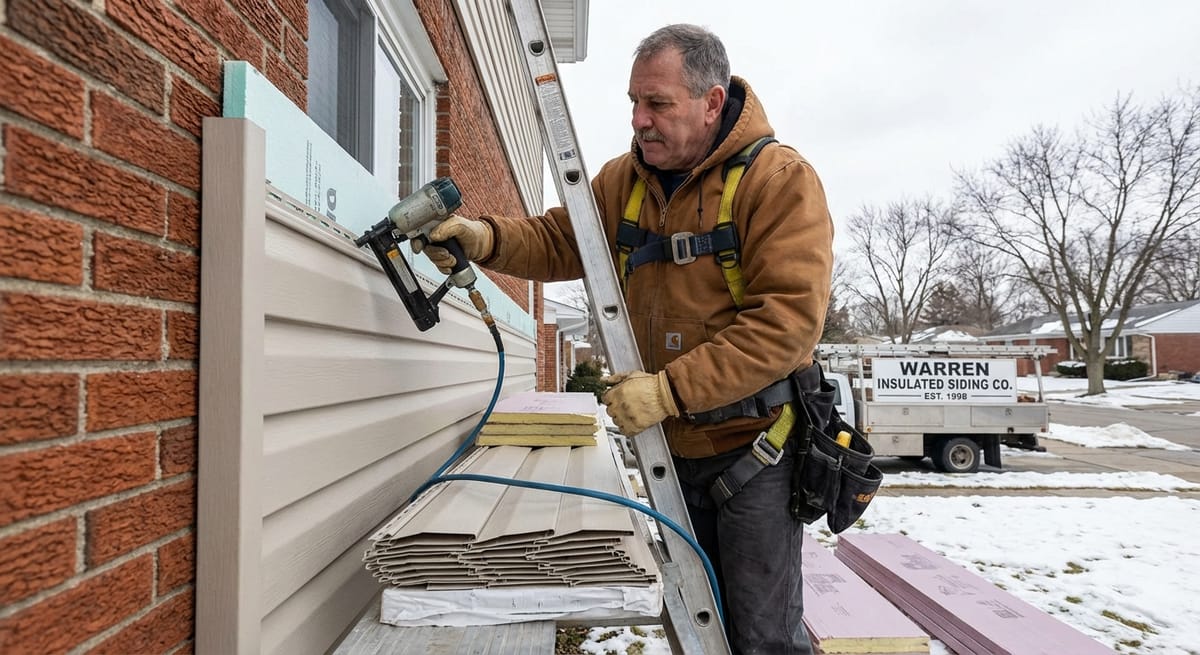
The new vinyl siding panels are then installed using specialized techniques that account for thermal expansion and contraction. Each panel is hung rather than nailed tight, allowing natural movement as Warren's temperatures swing from subzero winters to humid summers. Starter strips, J-channels, corner posts, and trim components are installed first to create the framework that guides precise panel placement. Every course is checked for level and alignment, and panels are locked together to create a seamless, wind-resistant façade.
When You Need Siding Replacement
Several clear indicators tell Warren homeowners that repair is no longer sufficient and full replacement is the right path forward. Recognizing these signs early prevents escalating damage to your home's structure and saves significant money compared to repeated patchwork repairs.
- Widespread cracking or warping: When multiple panels across different walls show cracks, buckling, or warping, the material has reached the end of its service life. Isolated damage can be repaired, but widespread deterioration signals systemic failure.
- Persistent moisture behind panels: If you notice mold growth on interior walls, musty odors in rooms along exterior walls, or bubbling paint inside, moisture is likely penetrating your siding system. This often means the siding, housewrap, or both have failed.
- Escalating energy bills: Old or damaged siding allows air infiltration that forces your HVAC system to work harder. If your heating and cooling costs have climbed despite no change in usage, compromised siding may be the cause.
- Fading and chalking that won't clean: A white, chalky residue that returns after washing indicates UV degradation of the vinyl's surface. While cosmetic at first, this breakdown precedes structural brittleness.
- Loose or missing panels after storms: Warren's severe weather, including high winds and ice storms, tests siding integrity. If panels blow off or detach repeatedly, the nailing system or panel interlock has failed beyond repair.
- Visible rot on sheathing or framing: Any time you can see deteriorated wood behind your siding, replacement is urgent. Surface repairs will only mask an advancing structural problem.
Why Siding Problems Develop in Warren
Warren's geographic location in southeastern Michigan subjects homes to a punishing cycle of weather conditions that accelerates siding deterioration. Understanding these causes helps homeowners make informed decisions about materials and installation quality.
Freeze-thaw cycling is the single most damaging factor for siding in Warren. Water enters microscopic cracks during fall rains, freezes and expands during winter, then thaws in spring. This repeated expansion and contraction widens cracks season after season until panels split or warp beyond repair. Warren typically experiences over 100 freeze-thaw cycles per year, making this an especially aggressive degradation mechanism.
Wind-driven rain and ice from Great Lakes weather systems hits Warren homes with horizontal precipitation that exploits any gap in the siding system. Improperly overlapped panels, unsealed penetrations, or degraded caulk joints allow water behind the cladding where it causes hidden rot and mold growth.
UV exposure during summer months breaks down the chemical stabilizers in vinyl siding over time. South-facing and west-facing walls deteriorate faster because they absorb more direct sunlight. As stabilizers degrade, the vinyl becomes brittle and prone to impact damage from hail, debris, or even routine contact.
Poor original installation is a surprisingly common issue in Warren's housing stock. Many homes built during the area's mid-century expansion received siding installed with insufficient attention to manufacturer specifications. Panels nailed too tightly cannot expand and buckle in summer heat. Missing or improperly installed trim allows water entry at transitions. These installation defects often take a decade or more to manifest, but once they do, the resulting damage typically requires full replacement rather than spot repair.
What Affects the Cost of Siding Replacement
Siding replacement costs vary based on several factors specific to your home and project scope. Understanding these variables helps you evaluate estimates accurately and make smart budget decisions.
- Home size and wall complexity: Total square footage of wall area is the primary cost driver. Homes with many corners, dormers, bay windows, and architectural details require more labor and trim material than simple rectangular structures.
- Siding grade and profile: Vinyl siding ranges from builder-grade thin panels to premium insulated siding with deep wood-grain textures. Thicker panels with integrated foam backing cost more upfront but deliver superior insulation, impact resistance, and longevity.
- Extent of underlying damage: If the tear-off reveals rotted sheathing, compromised framing, or mold contamination, these repairs add to the project scope. Homes with long-deferred maintenance or prior water intrusion typically have more substrate work.
- Number of windows, doors, and penetrations: Every opening in the wall requires precise trim work, flashing integration, and caulking. Homes with many windows or architectural features require more detailed finish work.
- Accessibility and height: Multi-story homes, steep lots, or walls obstructed by landscaping, decks, or adjacent structures increase labor time and may require scaffolding rather than standard ladders.
- Old material disposal: The volume and type of existing siding affects removal and disposal costs. Older homes with multiple siding layers generate more waste.
Repair vs. Full Replacement: Making the Right Call
The decision between repairing existing siding and replacing it entirely depends on the scope of damage, the age of the current installation, and your long-term plans for the home. Here is a clear framework for Warren homeowners weighing this choice.
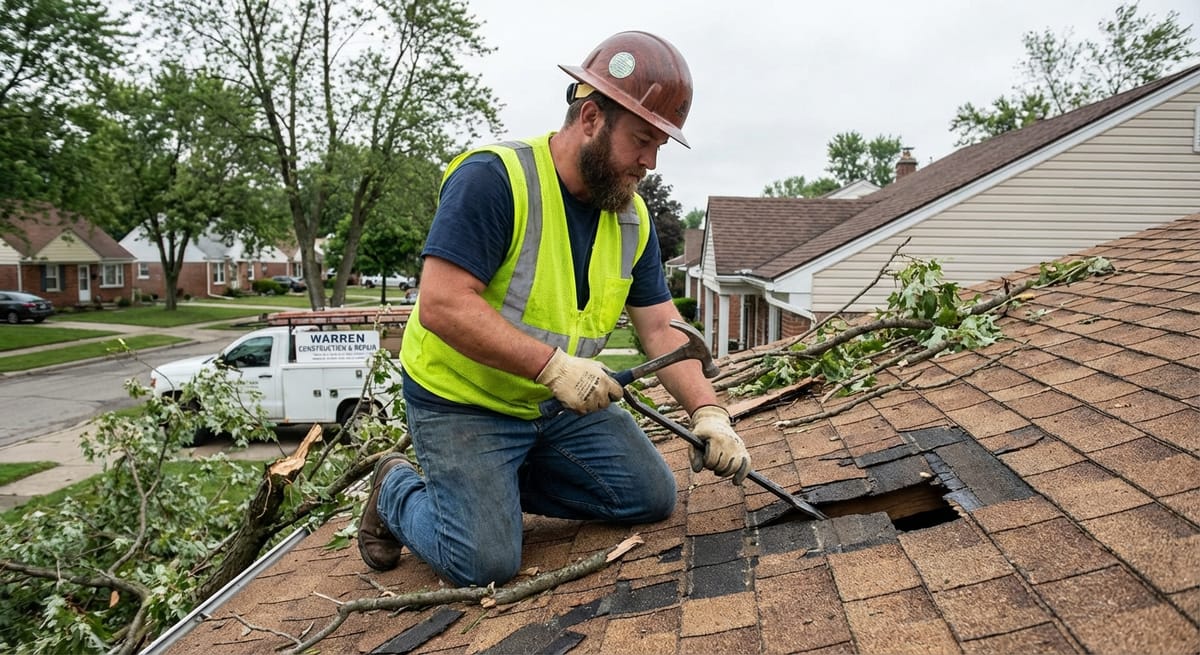
Repair makes sense when damage is isolated to a small area, typically less than fifteen percent of total wall coverage. A single wall struck by a fallen branch, a localized impact crack, or a few panels loosened by a storm can often be addressed with targeted repairs. The key requirement is that matching panels are available and the surrounding siding remains structurally sound.
Replacement is the better investment when damage appears on multiple walls, the siding has aged well past its expected service life, or you are already planning major exterior work such as window replacement or re-roofing. Replacing siding in conjunction with other envelope work allows proper integration of all weatherproofing layers, something that is impossible when patching around existing materials.
A critical consideration for Warren homeowners is color matching. Vinyl siding fades with UV exposure, and even manufacturer-matched replacement panels will look noticeably different next to weathered originals. If appearance matters to you and the existing siding shows significant fading, partial replacement often looks worse than the damage it was meant to fix.
From a financial perspective, spending more than thirty percent of full replacement cost on repairs to aging siding is generally a poor investment. Those repair dollars add no value to a system that will need full replacement in the near future anyway. Full replacement comes with new manufacturer warranties and resets the maintenance clock entirely.
How We Handle Siding Replacement in Warren
Our approach to siding replacement in Warren reflects specialized techniques refined through extensive work on Michigan homes. Every project follows a structured sequence designed to deliver a watertight, visually precise result.
The project starts with a detailed exterior assessment. We document existing conditions, measure all wall areas, identify damage patterns, and note architectural details that require custom trim solutions. This assessment drives an accurate project scope and prevents surprises during installation.
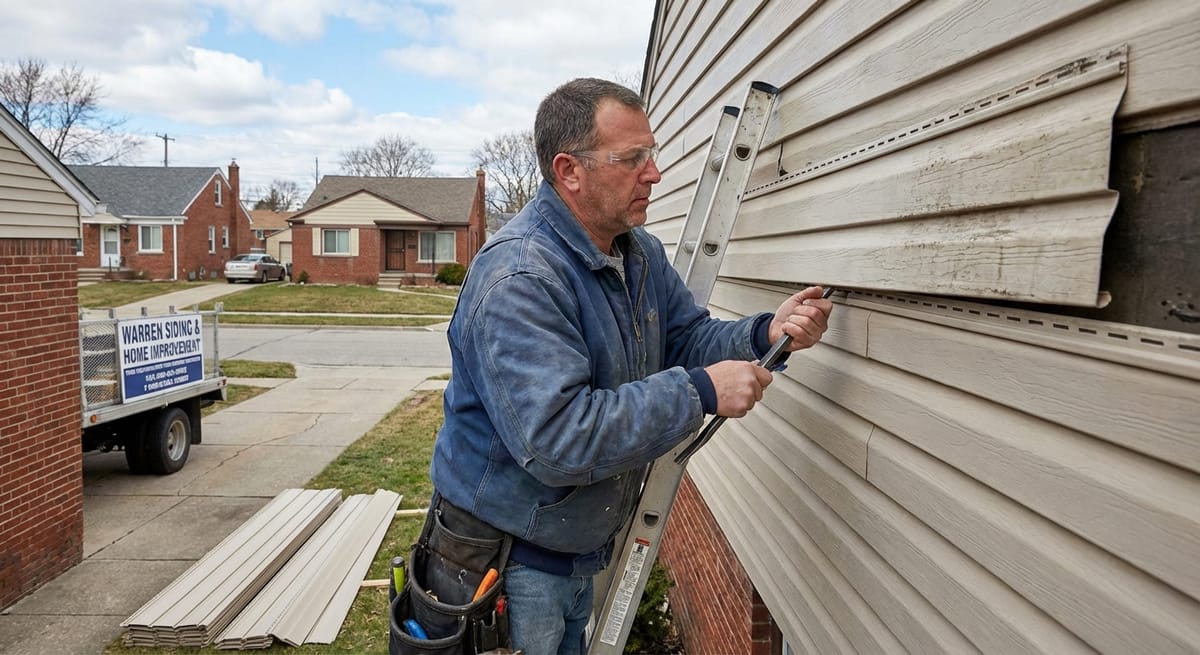
During tear-off, we protect landscaping, walkways, and adjacent surfaces with drop cloths and sheathing barriers. Old siding is removed systematically, starting from the top course and working down, to prevent damage to underlying layers. Every nail and fastener is removed cleanly from the sheathing surface.
Substrate preparation receives meticulous attention. We probe sheathing for soft spots, check moisture levels with pin meters, and examine framing connections at vulnerable points like corners and window rough openings. All compromised material is cut out and replaced with matching structural components.
Weather barrier installation follows manufacturer-specified lapping sequences. We use compatible tape products at all seams and integrate window and door flashing into the drainage plane so water hitting any point on the wall is directed outward and downward without interruption.
Panel installation proceeds from the bottom up, with each course mechanically locked to the one below. We maintain consistent reveal heights, align vertical seams in a staggered pattern for structural strength and visual appeal, and leave precise expansion gaps at all termination points. Every accessory piece, including soffit, fascia trim, and utility blocks, is installed with the same attention to fit and weatherproofing.
A final walkthrough inspection covers every wall surface, trim detail, and transition point. We verify that all panels move freely on their fasteners, that no face-nailing exists, and that the completed installation meets both manufacturer specifications and our own quality standards.